Please Note: Due to variations in animal patterns, your animal may not look identical to the image provided. Approximate size range may also vary between individual specimen.


Clownfish – Skunk (Orange)
$25.00
Orange Skunk Clownfish Care Tips:
Minimum Tank Size: 20 Gallons
Max Size: Up to 7.5cm (3″)
Diet: Omnivore
Temperament: Semi-aggressive
Lifespan: Up to 30 years
Scientific Name: Amphiprion Akallopsis
Coral Safe: Yes
Invertebrate Safe: Yes
Approx. Purchase Size: Small: 1 -1.5 inches Medium: 2 -3 inches
The orange skunk clownfish, scientific name Amphiprion Akallopsis, is a semi-aggressive fish. Their minimum tank size is 20 gallons. The ocellaris clownfish can grow up to 3”. Orange skunk clownfish can live up to 30 years. Orange skunk clowns are omnivores and should be fed small species of frozen shrimp, pellets or flaked food. Clownfish are one of the easier species to get trained to eat pellets and flaked food. Orange skunk clownfish can be kept alone or in pairs. They are best suited in pairs. Not all clownfish will accept the other fish as their mate, choosing clownfish that have the largest difference in size can help with pairing clownfish. Fish that are identical in size can also be paired. Orange skunk clownfish are reef safe, they will not bother coral or invertebrates. Orange skunk clownfish are great additions to any tank. Clownfish will often choose a part of the tank they will prefer to stay near and will sleep near their chosen house. Once comfortable with their chosen area, during the day they will be seen hanging out near their “house” and don’t normally venture very far from there. Clownfish are all born boys and will turn into a female when needed. There is almost no way to visually identify whether they are male or female. If there are two males paired together, one will become dominant and turn into a female. Clownfish will often submit to their partner; the submissive clownfish will shake/vibrate for a few seconds to show the dominant clownfish “you are the boss”. Clownfish will prefer to have anemones to choose as their house, they will form symbiotic relationships with them, benefiting both the clownfish and the anemone. Having anemones for the clownfish is not a requirement, just a preference.
Out of stock
Related products
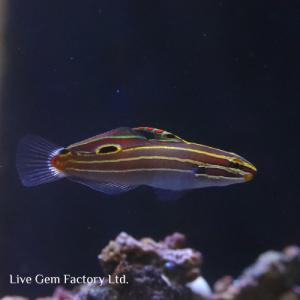
Goby – Hector
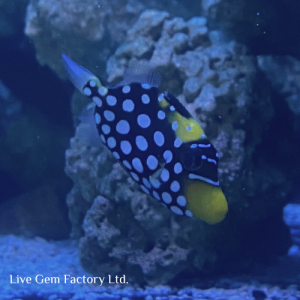
$50.00Triggerfish – Clown
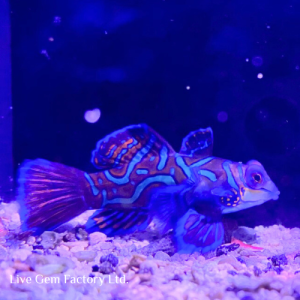
$200.00Dragonet – Mandarin
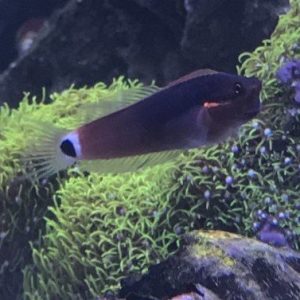
$60.00Blenny – Tailspot
$40.00